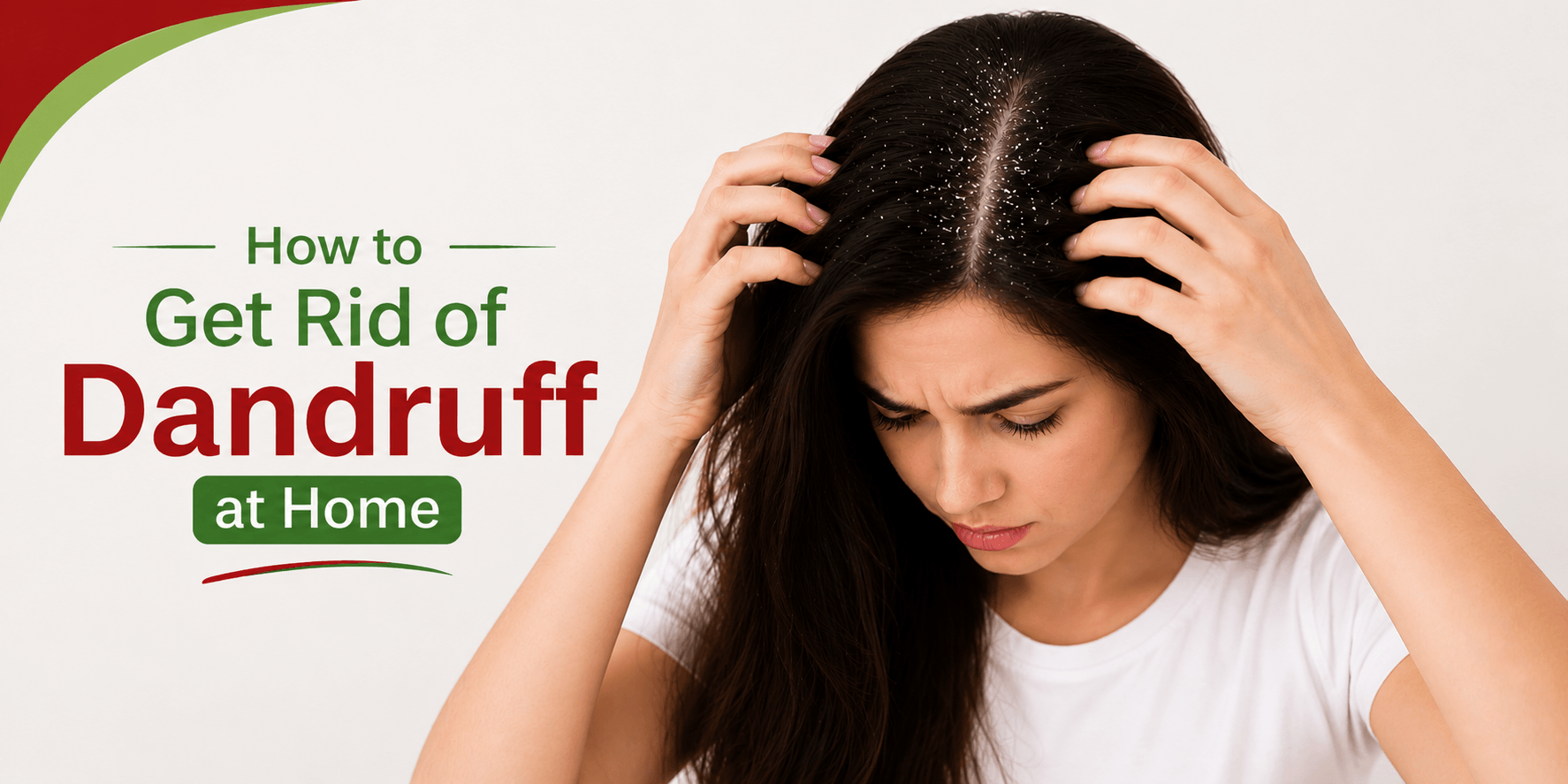
White flakes on your shoulders, an itchy scalp, chronic irritation.Dandruff is a condition of the scalp affecting people of any age and is one of the most common scalp problems.
While a lot of people want to eliminate and get rid of dandruff forever, dandruff generally needs ongoing therapy — particularly if it’s a response to an oily scalp, dry skin or an overgrowth of naturally occurring scalp yeast.
Ongoing scalp treatment with the right shampoo can help keep it under control.The good news is that there are plenty of mild cases of dandruff you can easily control at home with proper hair tending, scrubbing your scalp carefully and using a good anti-dandruff shampoo.
In this guide, we’ll take you through the causes of dandruff, easy things you can do at home, and how a good shampoo can help maintain a healthy scalp
Quick Answer
To reduce dandruff at home, you can:
- Wash your hair regularly with an appropriate anti-dandruff shampoo
- Keep your scalp clean
- Avoid oil buildup
- Manage tension
- Keep your diet healthy
When dandruff is severe or persistent, when redness, pain or severe hair loss presents as a physical problem, go to see a dermatologist.
What Is Dandruff?
Dandruff is a chronic condition of the scalp producing visible dead skin patches along with itching or irritation.
It’s not contagious, but it can be awkward and could rob your confidence.
Dandruff is generally treatable with the right scalp care.
What Causes Dandruff?
Several factors can contribute to dandruff.
Oily Scalp
Excess oil on the scalp also promotes the growth of naturally occurring yeast, which can lead to dandruff in some people.
Dry Skin
A dry scalp might produce tiny white flakes, particularly in cold weather.
Product Build-Up
Overusing styling products coupled with no scalp cleansing can cause flaking.
Infrequent Hair Washing
Without periodic scalp cleaning, oil, sweat and dead skin cells can pool on the scalp.
Sensitivity to Hair Products
Some people might respond more to ingredients found in shampoos, hair products or colors or hair stylists.
Home Remedies That May Help Reduce Dandruff
Home care for some mild dandruff may treat it if combined with a routine.
Wash Your Hair Regularly
Keeping the scalp clean relieves this to eliminate excess oil, flakes, and buildup of products.
Choose a shampoo for dandruff, not strong cleansers.
Keep Your Scalp Clean
Sweat, pollution and the accumulation of more oil on the scalp.
Regular cleaning is part and parcel of a good scalp lifestyle experience.
Avoid Scratching Your Scalp
Dandruff may be itchy, but scratching may make the scalp itch even more during the scalp and contribute to even greater discomfort.
Eat a Balanced Diet
Nutrition matters in healthy hair and scalp.
Include foods rich in:
- Protein
- Zinc
- Iron
- Omega-3 fatty acids
- Fresh fruits
- Green leafy vegetables
- Nuts and seeds
Manage Stress
Stress, to some degree, might actually make dandruff worse.
Regular exercise, meditation and getting enough sleep may not just enhance brain function, they may also provide a broader boost to scalp health.
Why Using the Right Anti-Dandruff Shampoo Matter
Home remedies are not always enough.
An anti-dandruff shampoo, which not only helps to treat but also cleanse the scalp can aid in curtailing flakes from getting on the scalp, good for skin health.
Tea tree shampoos are common as tea tree oil is used in many scalp care products to promote renewal and help with cleansing.
Why Choose Arogya TeaTree Anti Dandruff Shampoo?
The first daily shampoo that makes a scaly, rumpled scalp feel fresh, Arogya TeaTree Anti Dandruff Shampoo (200 ml).
It helps to:
- Reduce visible dandruff flakes
- Cleanse excess oil and impurities
- Refresh the scalp
- Support healthy-looking hair
- Keep the hair clean and manageable
If used safely, it can become a great scalp candidate as part of your daily routine.
Buy Arogya TeaTree Anti Dandruff Shampoo
Support a healthier scalp with:
https://arogyaformulations.com/product/arogya-teatree-anti-dandruff-shampoo-200ml/
How to Use Anti-Dandruff Shampoo
When it’s effective:
- Wet your hair thoroughly.
- Add a bit of shampoo.
- Massage gently into the scalp.
- Leave it for a bit on the label.
- Rinse thoroughly.
- Repeat if required.
Use the product as instructed.
Hair Care Habits That Help Prevent Dandruff
Good dietary habits can prevent flakes from recurring.
- Wash your hair regularly
- Do not let your hair get too oily
- Clean combs and brushes frequently
- Do not share personal hair accessories
- Reduce buildup of heavy styling product
- Maintain a balanced diet
- Stay hydrated
Common Mistakes to Avoid
Most people accidentally worsen dandruff by:
- Excessive scratching the scalp
- Washing hair too infrequently
- Using very hot water
- Excessive hair oil application without cleansing
- Hair care products used too often
It works better to keep consistency than to keep changing shampoos constantly.
Myths vs Facts
Myth |
Dandruff means poor hygiene. |
All oils work for you, so that oil permanently removes dandruff. |
Dandruff is caused by washing hair every day. |
Dandruff resolves after one treatment. |
Fact |
Even well-maintained hygiene can lead to dandruff. |
Oil may help with dryness but does not treat every cause of dandruff. |
The right shampoo is used if necessary; keeping the scalp clean! |
Dandruff usually needs regular treatment to prevent recurrence. |
When Should You See a Doctor?
Seeing a dermatologist when you experience:
- Severe itching
- Red or inflamed scalp
- Thick yellow scales
- Hair loss along with dandruff
- Symptoms unchanged after several weeks with anti-dandruff product
A health worker can pinpoint the reason and suggest suitable treatment.
Frequently Asked Questions
Dandruff can often be controlled effectively, but it may return depending on its underlying cause.
Follow directions found on the product label or your physician’s counsel. The frequency depends on your scalp condition.
Tea tree oil is widely used in anti-dandruff shampoos, providing some scalp relief, and is included in scalp care preparations.
Although hair oil can help to moisturise a dry scalp, it cannot treat dandruff specifically.
Chronic scalp inflammation and scratching also may contribute to more hair shedding in certain people, so addressing dandruff proactively can have a more favorable result.
No.Dandruff cannot be passed from one person to another.
Final Thoughts
Managing dandruff means awareness of the disorder and regular care of a person’s scalp.
Even simple behaviors that help mitigate flakes and scalp irritation over the long term — such as eating a healthy diet, not abusing your scalp’s chemical defences, and using your favourite anti-dandruff shampoo — will be effective.
If someone has dandruff, do not brush it off — but especially when it is persistently severe.
Getting a professional scalp therapist can prevent a problem from starting up and can be the first step in determining a root cause for scalp problems.
Choose Arogya TeaTree Anti Dandruff Shampoo for Everyday Scalp Care
If you’re looking for a reliable shampoo to support a cleaner, healthier-looking scalp, Arogya TeaTree Anti Dandruff Shampoo – 200 ml is a great addition to your hair care routine.
Explore the product here:
https://arogyaformulations.com/product/arogya-teatree-anti-dandruff-shampoo-200ml/
Looking for Third-Party Manufacturing of Anti-Dandruff Shampoos?
If you want to launch your own hair care brand, Arogya Formulations will provide third-party and private label service on anti-dandruff shampoos, herbal shampoos and our hair care line.
Our Production Services
- Custom anti-dandruff shampoo preparations
- Manufacturing of tea tree, herbal and Ayurvedic shampoo
- Private label & white label solutions
- Custom containers and branding
- Quality-controlled manufacturing
- Production that scales at startups and larger brands alike
We will build and grow together on your new shampoo line or personal care collection and we can be the experts in your brand.
Contact Arogya Formulations today to discuss your third-party manufacturing requirements and build your own premium hair care brand.